


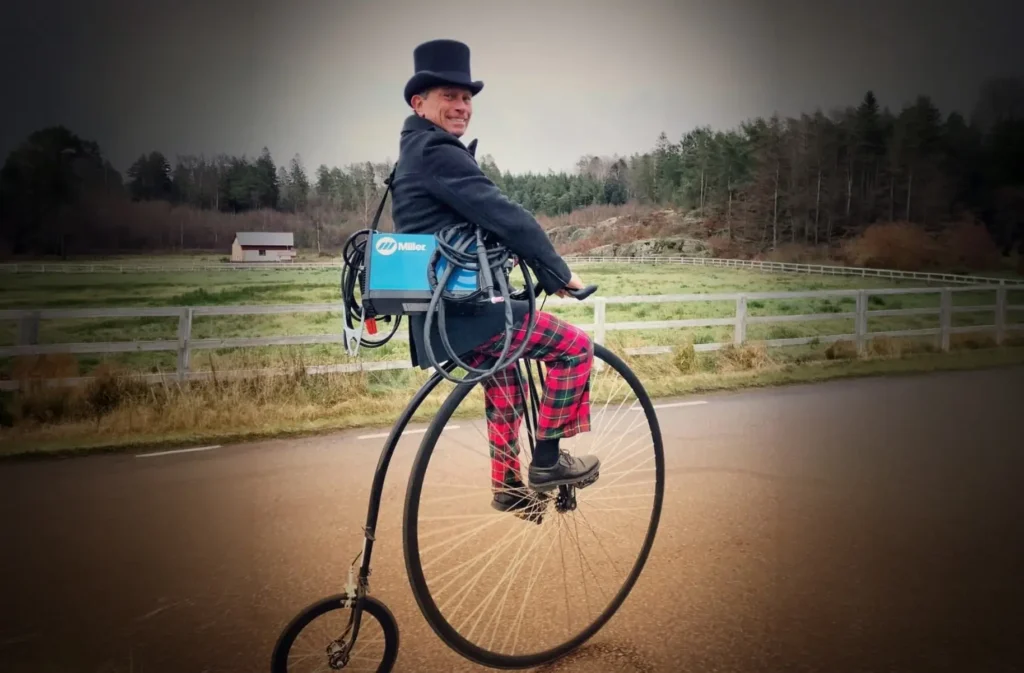

From the beginning, Patrik was an athlete. Judo was his thing; he took several Swedish Championship titles. Then windsurfing came along and took over completely. He competed internationally and placed fifth in the World Championships in 1982 in Tunisia. He traveled around the world and lived in a VW bus. Freedom was everything. In an interview, patrik Falk told us about his extraordinary life journey…
Patrik, how did your passion for judo and windsurfing eventually lead you to a career in welding?
– I wanted a job where I could work for six months and be off for six months. Welding was perfect because the pay was okay and there were jobs everywhere. I started at Volvo in Torslanda, welding B-pillars with solid wire. A timed flow, the same weld every day. Monotonous – but useful. You learn discipline.
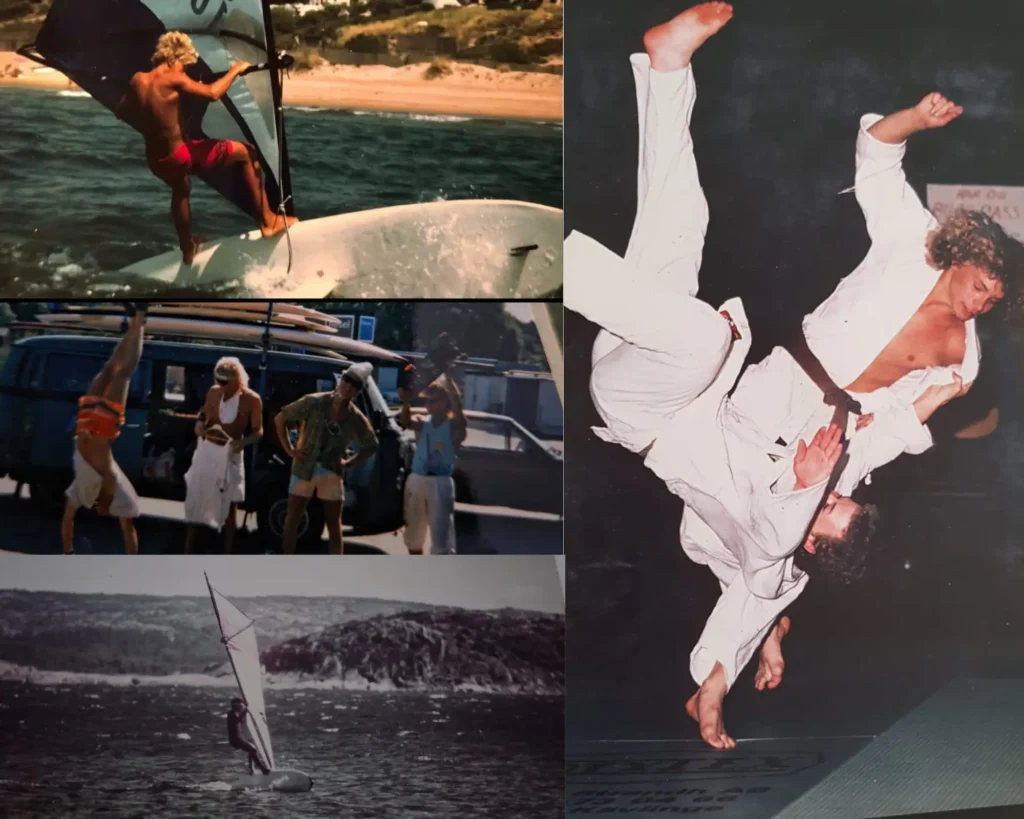
And after that, you went out into the world?
– After military service, I went to Australia, to Bondi Beach. A friend and I were going to become the best at wave surfing. It was naive – the kids who were seven or eight years old were already better. I thought “anything but welding,” but it turned into welding anyway. I worked in a local workshop to afford to live.
Then offshore?
– Yes. When I got home, I took several welding certificates, including pipe. It was the late 80s. Then I went to Norway and started offshore immediately. Through the staffing agency Slagen rör och svejs, I ended up at Stord and worked on Troll, Ekofisk, and other large platforms. All materials – aluminum, carbon steel, stainless.
What did you learn there?
– Practically: To work methodically and not get nervous, to find a body position where you can see and be comfortable so you don’t shake. Otherwise: To practice – I remember the first trip to Stord: 800 km in a beat-up car, arriving directly for a site test that none of us knew what it entailed. Two out of four had to go home. I don’t think they were worse – they were nervous. If you practice enough, it stays in your body; then you can handle the pressure.
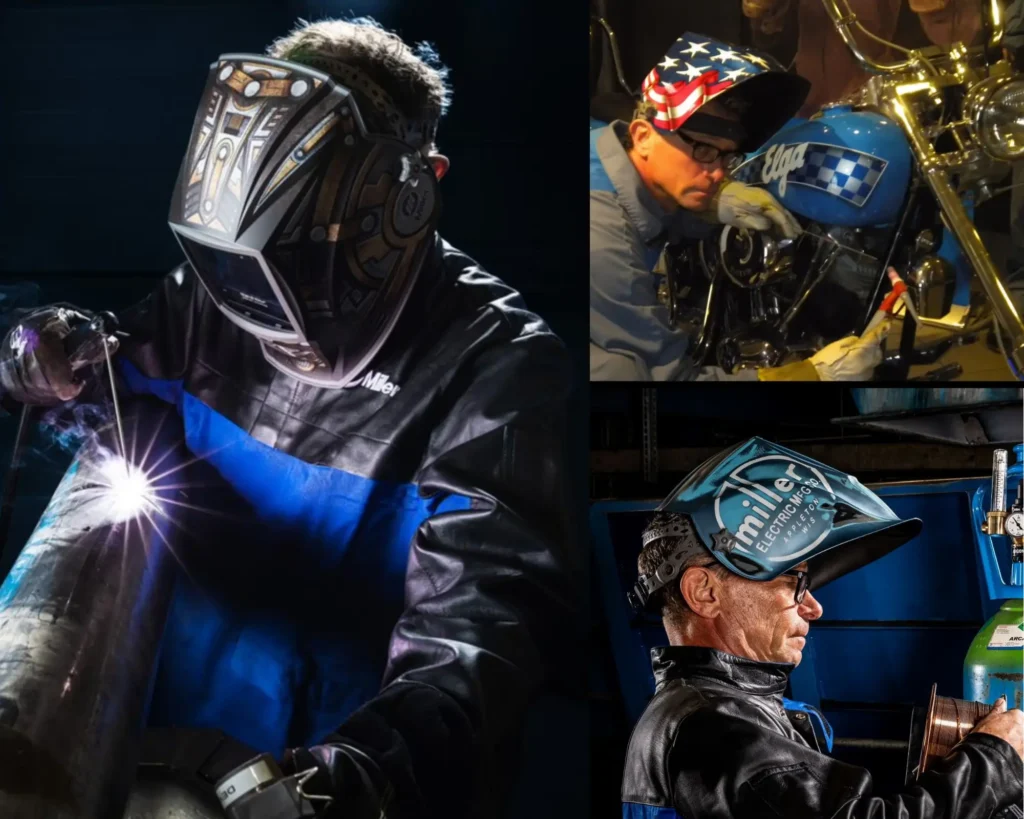
How did you end up at Elga?
– It was my wife Lena who found the ad. Elga was looking for a welding demonstrator. I started a few weeks later – and I’ve been there for 31 years now. When I started, there was a lot of pipeline welding, including in Novosibirsk. I trained local welders on our filler materials.
What do you do today?
– It’s very varied. One period I’m demonstrating for customers and/or lecturing; sometimes I travel to customers and help out as a kind of “problem solver.” Other days I work with classification in the lab. All electrodes – around a hundred types – must hold what we promise, and we test them regularly. We test weld, then test the joint in different ways: milling, turning, doing tensile and impact strength tests at different temperatures. It’s not a job I long for, but it’s important.
You spend a lot of time at schools?
– Yes, and that’s one of the most fun parts. I travel all over Sweden, talking about the profession and what it’s like to work on a platform. I always say: “Make the most of your time in school. It will never come back.” Everyone sitting there has studied more than I did. But I also want to show that there is no ceiling in this industry. Anyone who is committed can go as far as they want.
Where does your own commitment come from?
– Ronald Norberg is a role model. He liked those of us who were interested and had an incredible commitment. He gave me a lot of his time and followed me for a long time in my career, checking in now and then. That commitment has rubbed off on me.
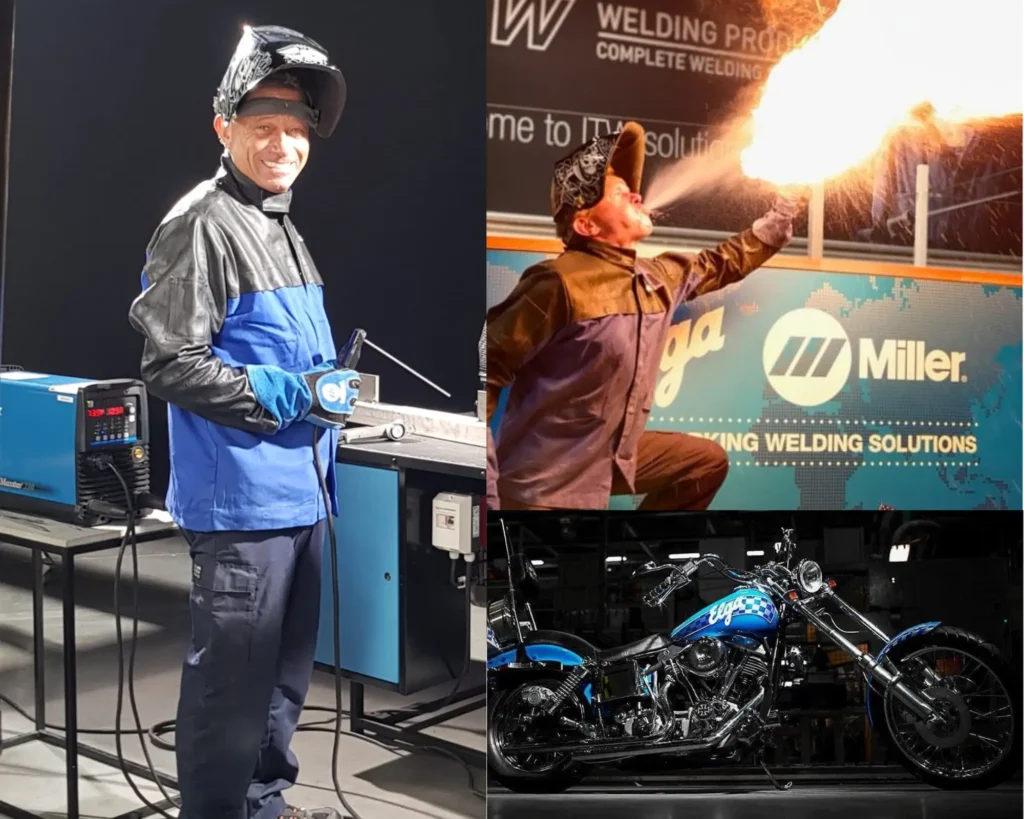
What should a newly graduated professional welder aim for?
– Become a welder who can weld thin-walled stainless with an electrode. It’s hard. You’ll burn holes constantly before you get the hang of it. But if you manage that, you have ten employers to choose from immediately – and thus a good salary negotiation position. Those who earn the most deal with “cellulose welding,” i.e., welding large pipes for the pulp industry. They earn incredibly well and are treated like an A-team. They don’t even grind their own weld joints and are served in every way by people who take care of everything around them. At one lecture, I happened to mention which company does that kind of welding – they were bombarded with calls from people wanting to work for them.
The industry is often described as conservative. Do you agree?
– Yes, but I understand it. If you weld on bridges or platforms, things cannot go wrong. “This has always worked” is a reasonable argument. Then it’s up to me to show that, for example, our P48 M electrode provides a softer arc, lower current, and good mechanical properties. Or explain why our stainless 316 L and LP work so well.
What is required to succeed as a welder?
– Persistence. I have that with me from sports. I could practice a trick endlessly – on the surfboard, on the skateboard. It’s the same thing in welding. Practice until it’s in your muscle memory. Then you won’t get nervous when the test comes.
And at home, something completely different awaits?
– Yes, we live on a farm in Fjärås. There I’ve built my now quite well-known mancave. Billiards, pinball, air hockey, ping pong, stereo, projectors, bar, toys. I spend a lot of time and money there. I also have two African bullfrogs, about two kilograms each. They eat rats and chickens – you put the food on a skewer so it looks alive, otherwise the frogs won’t eat.
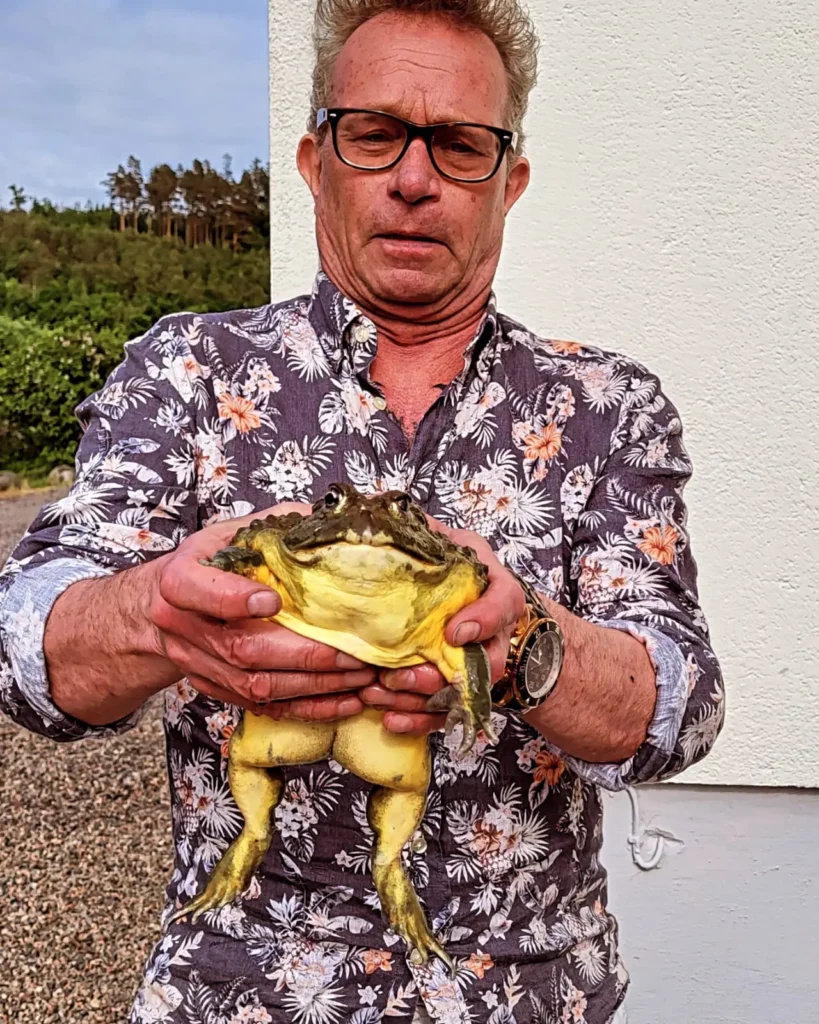
It sounds like your free time is important to you?
– That’s how it is. But it’s the same thing there: I go all in. Just like in welding.